Brockville is a historic city on the north shore of the St. Lawrence River that has become one of Eastern Ontario's most desirable communities for waterfront living, heritage charm, and real estate value. Set within Leeds and Grenville United Counties, it pairs a walkable downtown with Canada's oldest railway tunnel and easy Highway 401 access, with Kingston about an hour away and Ottawa roughly 75 minutes up the road. This guide covers what it is like to live in Brockville, from the downtown waterfront lifestyle and schools to commuting and the types of homes you can buy.
What Is Brockville?
Known as the City of the 1000 Islands, Brockville sits proudly on the St. Lawrence River at the downstream edge of the famous archipelago. Settled in 1785 by United Empire Loyalists, it is one of Ontario's oldest communities, and that history is everywhere: limestone heritage buildings, tree-lined residential streets, and a downtown core that has been carefully preserved rather than rebuilt.
As the largest urban centre in Leeds and Grenville, Brockville is the region's service hub, home to a regional hospital, government offices, shopping, and a growing waterfront development scene. Yet with roughly 23,000 residents in the city proper, it keeps a distinctly small-town feel, the kind of place where people know their neighbours and the downtown is genuinely walkable.
The Downtown and Waterfront Lifestyle
Life in Brockville centres on the river. The waterfront at Blockhouse Island and the Hardys park along the shore draws families, joggers, and boaters through the summer, with a full-service marina, a boardwalk, and the Aquatarium, an interactive aquarium and discovery centre, all steps from downtown. The city's festivals, farmers' market, and riverside concerts fill the warm months, and restaurants and cafés with patio seating overlook the water.
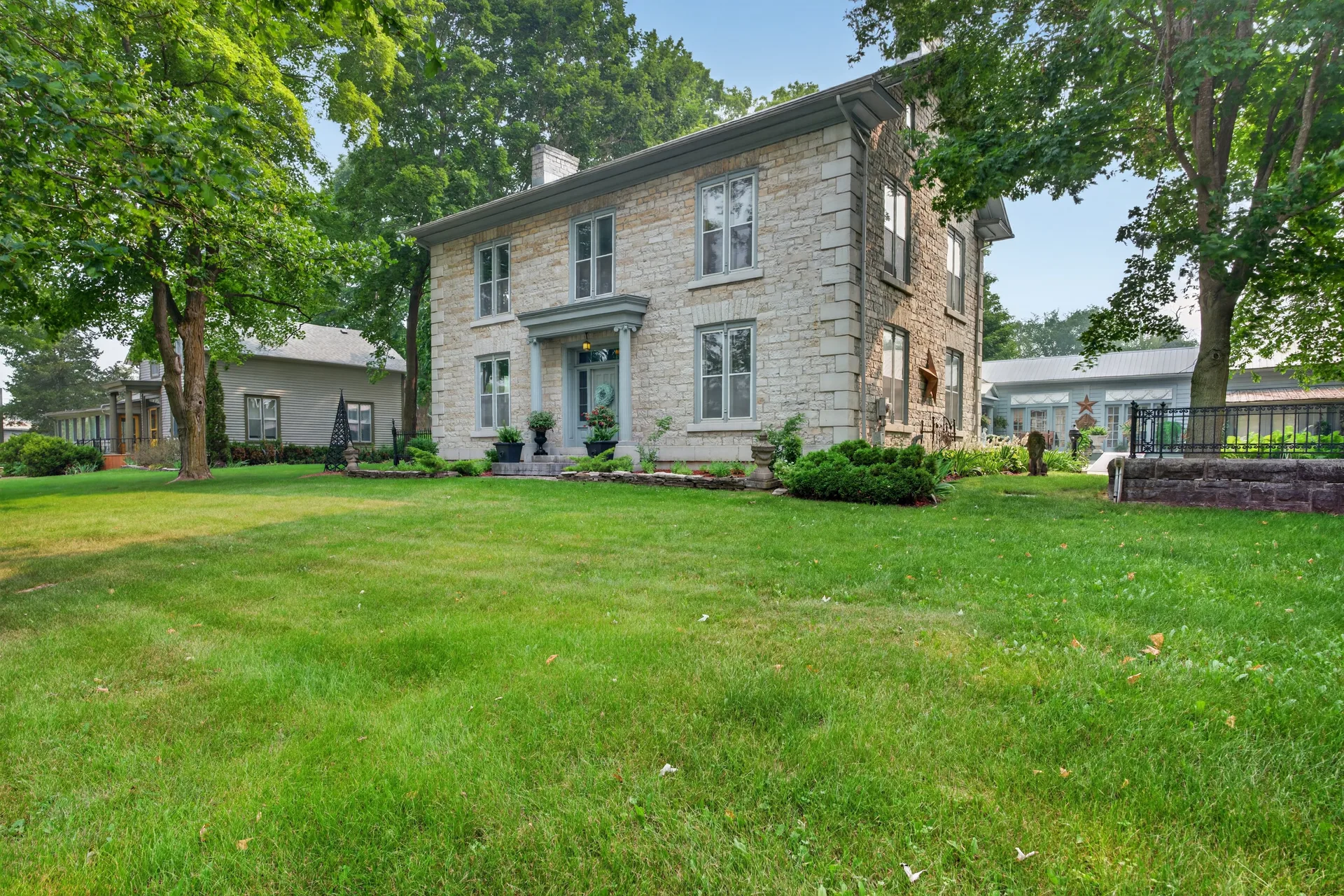
Downtown Brockville's heritage streetscape is a destination in its own right. King Street and the surrounding blocks hold independent shops, galleries, and dining in restored Victorian buildings, while landmarks like Fulford Place, a stately Edwardian mansion museum, anchor the neighbourhood. For buyers, the character of the downtown is a big part of the appeal: you can live in a 150-year-old limestone home and walk to the river in minutes.
The Brockville Railway Tunnel
No guide to Brockville is complete without the Railway Tunnel. Built in 1860 beneath the downtown, it is the oldest railway tunnel in Canada, and today it has been transformed into a free, year-round attraction with a spectacular LED light show that animates the stone walls. It draws visitors from across the region and gives residents a one-of-a-kind landmark just steps from the waterfront, proof of how this city turns its history into everyday life.
Schools and Services
Brockville's schools serve families well. The public system, run by the Upper Canada District School Board, is anchored by Brockville Collegiate Institute, a historic secondary school with French immersion and specialist high-skills programs, fed by elementary schools including Westminster, Vanier, Commonwealth, and Prince of Wales. The Catholic system offers St. Mary Catholic High School, so families have strong public and separate options in both English and French.
Health care is covered locally by Brockville General Hospital, an acute-care community hospital with a 24-hour emergency department. Everyday needs, from groceries and professional services to the library and recreation complexes, are all in town, which makes the city genuinely self-sufficient rather than a bedroom community.
Commuting to Kingston and Ottawa
Location is one of Brockville's quiet advantages. Kingston is about 85 kilometres west, roughly 55 to 65 minutes on Highway 401, putting Queen's University, Kingston Health Sciences Centre, and the city's largest employers within an easy commute. Ottawa sits about 115 kilometres north, typically an hour and 15 minutes via Highway 416, which makes the capital realistic for weekly commuters or regular visits.
For buyers coming from the Greater Toronto Area or Montreal, Brockville is also directly on the 401 corridor, with VIA Rail service connecting it to both cities, which is why so many remote workers, retirees, and professionals are choosing the city for its combination of value, setting, and access.
Types of Homes and Typical Price Ranges
The Brockville market has something for nearly every buyer, and prices sit well below Kingston and Ottawa for comparable homes. Typical detached homes in the city have recently been selling in the $450,000 to $550,000 range, making it one of the more accessible markets in Eastern Ontario. Heritage homes in and around the downtown usually run from about $450,000 to $800,000 depending on condition and renovation level.
Newer subdivisions on the edges of town and townhome developments generally price from the $500,000s to the high $600,000s. Downtown, waterfront condo towers such as Tall Ships Landing at 15 St Andrew Street have brought high-rise river living to Brockville, with residences ranging from roughly the $300,000s to well over $800,000 for premium units with panoramic river views. At the top of the market, St. Lawrence waterfront homes typically list from about $1.1 million up to $3 million and beyond for estate properties. These are general guidance ranges, not guarantees, and each property depends on size, frontage, condition, and location.
Work With a Local Luxury Expert
Pierre Nadeau is the Broker and owner of The Nadeau Real Estate Group, proudly serving Kingston, Ontario, and the surrounding areas for over 20 years. He and his team specialize in luxury homes and waterfront properties, and they know the Brockville market well, from heritage downtown residences to St. Lawrence waterfront estates and new condo towers. If you are considering Brockville, Pierre brings the local knowledge, the up-to-date marketing strategies, and the polished approach that make buying or selling feel confident. Start with our full Brockville neighbourhood guide, then reach out whenever you are ready to explore.